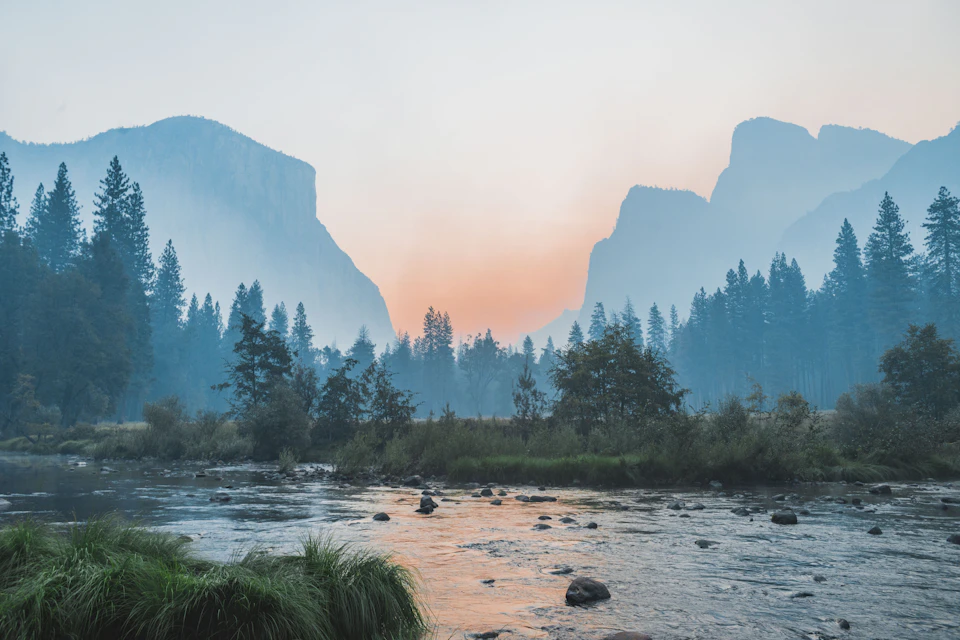
A drone at a wedding places your day in its setting. It films the estate, the park, the coastline, the guests arriving. In France its use is regulated: the pilot must be registered and some areas remain closed to flight. It completes the film, it never replaces it.
Some wedding venues need to be seen from above to reveal their true beauty. An oak-lined driveway. A château surrounded by vineyards. A beach stretching to the horizon.
What the sky adds
Seen from the ground, an estate is beautiful. Seen from the sky, it tells a story. You see the extent of the park, the symmetry of the gardens, the river winding in the distance. You understand where you were. You feel the space.
In your film, these aerial images bring a breath of air. They give your day a sense of scale without ever making it impersonal.
Not every venue suits it
A château in open countryside? Magnificent from the sky. A restaurant in the city centre? Far less relevant. I only suggest aerial images when the venue really lends itself to them. If it adds nothing to your story, we do without.
| Type of venue | Value of the drone | Point to watch |
|---|---|---|
| Château or estate with grounds | Very high: driveways, gardens, perspective | Owner’s permission |
| Vineyard | Very high: the rows of vines draw the frame | Wind often stronger on the plain |
| Seaside | High: the horizon, the coast, the light | Coastal zones sometimes restricted, wind |
| Country reception hall | Medium: depends on the surroundings | A nearby road or neighbours |
| City centre | Low, and often forbidden | Flying over built-up areas is tightly controlled |
When the drone flies during the day
The drone doesn’t fly all day. It takes off three or four times, for a few minutes each time, at the moments where it brings something.
- On arrival at the venue, before the guests, to set the scene in the morning or early afternoon light.
- During the guests’ arrival or the exit from the ceremony, from a distance, to place the movement of the day.
- During the cocktail, when everyone is outside and the venue is alive.
- At the end of the day, if the light turns the roofs and the trees golden.
It never flies during the ceremony, nor above the guests. Those are two rules I don’t negotiate.
A registered pilot for the drone at your wedding
In France, flying a drone to film a wedding is not a trivial act. The pilot has to be registered with the DGAC, the civil aviation authority, and follow the European regulation in force. I am a registered remote pilot, and I fly with that obligation in mind at every wedding.
Concretely, this means three things for you. I check the zone around your venue before the day, because many areas are forbidden or restricted. I request the necessary permissions when the venue requires them. And I tell you honestly, in advance, whether the drone will be possible or not.
Many vendors fly a drone without asking themselves the question. The risk falls on you and on your venue. Always ask your videographer whether they are registered. The answer should be immediate.
What I check before every flight
So that you don’t have to think about anything, here is the list I go through for every wedding, in the weeks before:
- The flight restriction map around the venue: airport, military zone, protected site, built-up area.
- Written agreement from the owner or manager of the venue.
- Nearby neighbours, to limit disturbance and respect their privacy.
- Obstacles: power lines, tall trees, a church tower.
- The weather forecast, wind first of all.
- The timeline of the day, to fit the flights around the useful moments.
If a single one of these points is a blocker, I tell you before the wedding. You won’t discover it on the day.
The conditions to meet
Weather plays an important role. Wind, rain and fog can prevent aerial shots. And some venues are subject to flight restrictions. I handle all the checks beforehand so you don’t have to think about anything.
On the coast, wind is the deciding factor most of the time. Inland, it’s more often rain. In both cases, the decision is taken on site, on the day, based on what I see.
What it changes in the film
Aerial images work as transitions. They let the film breathe between two strong moments. They place your wedding in its setting. And when the late-afternoon light turns the roofs and trees golden, the result is simply beautiful.
In a ten to fifteen minute film, aerial shots rarely take up more than a minute in total. That’s deliberate. A shot from the sky every thirty seconds gets tiring very quickly. A shot from the sky at the right moment lets the whole film breathe.
Which collection includes the drone
Aerial footage is included in my Signature and Prestige collections, subject to flight permission. For the Essentiel collection, it can be added as an option. The details are on the collections page. In every case, if the venue doesn’t allow flying, I tell you beforehand, and we adjust.
What you can do on your side
Three simple things help a lot. Give me the venue’s name and contact details as soon as you book, so I can start the checks early. Tell me if a neighbour or a sensitive site is nearby, a school or a military base for instance. And let me know if part of your family is uneasy about the idea of a drone: I can limit the flights to moments when nobody is outside.
A detail, not a selling point
I never make it a main argument. What matters in a film is your faces, your voices, your emotions. Images from the sky are a complement, a very beautiful complement, but never the essential.
To get an idea of the space they take, watch a few recent films. You’ll see that the sky appears when it has something to say, and no more.
Frequently asked questions
Does the drone make noise during the ceremony?
It never flies during the ceremony. A drone can be heard, and that moment deserves silence. I take off away from the guests, during the preparations, the arrival at the venue or the cocktail, and only for a few minutes each time. Your loved ones barely notice it, and you will not hear it in the film.
What happens if it rains or the wind picks up on the day?
The drone stays on the ground. Flying in rain or strong wind is dangerous and ruled out by common sense. I check the forecast the day before and decide on site. If conditions do not allow it, your film does not suffer: aerial images are a complement, and I film the venue differently, from the ground.
Do we need the venue's permission?
Yes, always. Even when the area is open to flight, the owner of the venue has to agree. I take care of it beforehand, at the same time as checking the restriction map. Just remember to give me the venue's contact details as soon as you book, it avoids surprises on the day.
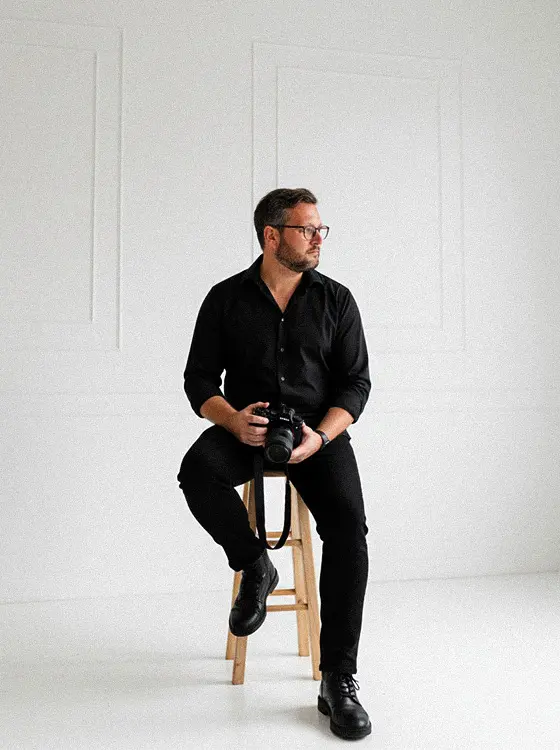
Mickaël Frigout
Wedding videographer based in Nantes. Over 70 weddings filmed in 5+ years. I tell love stories through images, with discretion and sensitivity.