Planning a wedding abroad: the practical guide
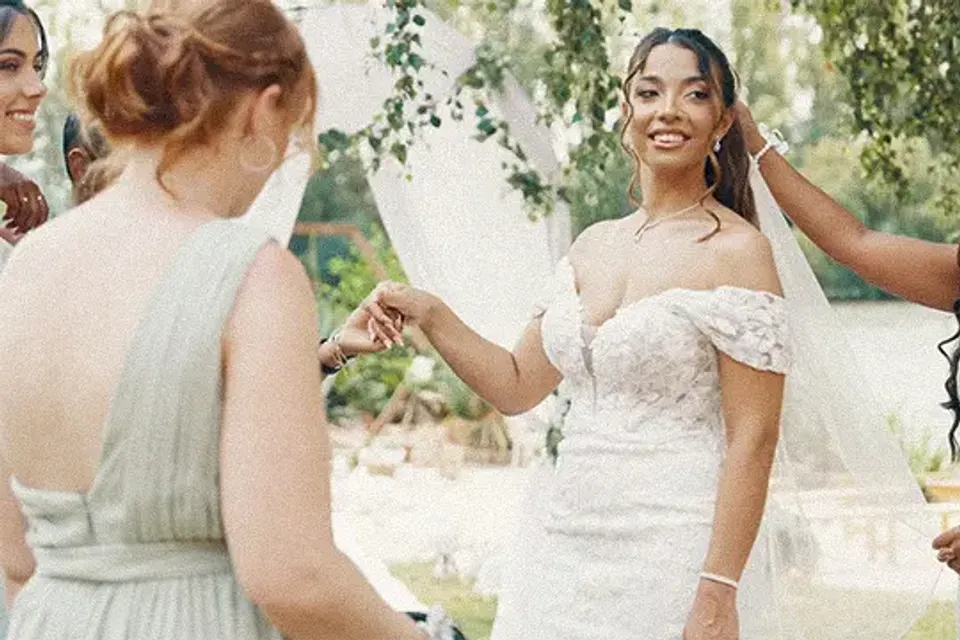
Planning a wedding abroad takes 12 to 18 months, a check of the paperwork with your local authorities and the consulate, and vendors used to travelling. For a videographer coming from France, budget for transport and accommodation on top of the collection, usually as a flat fee, quoted after a first conversation.
A wedding abroad is the stuff of dreams. A beach, a hilltop village, a farmhouse at the end of a dirt road. But between the dream and the day, there are twelve to eighteen months of planning. Here is what I’ve learned filming couples far from home, and what I advise those about to start.
The timeline, month by month
A wedding abroad is planned like a classic wedding, with three extra months. Here are the main steps, in the order they come up.
| When | What you do |
|---|---|
| 18 to 15 months before | Choice of country, region, then venue. A first scouting trip if possible. |
| 15 to 12 months before | Venue signed. Paperwork checked. Travelling vendors booked. |
| 12 to 9 months before | Save-the-dates sent to guests, with accommodation and transport suggestions. |
| 9 to 6 months before | Caterer, florist, music, celebrant. Often local, sometimes remote. |
| 3 months before | Timeline of the day, coordination between local vendors and those coming from France. |
| 1 month before | Final adjustments, confirmed times, weather. |
The most underestimated point is the gap between the French pace and the local pace. In some countries, vendors reply within hours. In others, a week is normal. Allow for that margin.
The paperwork to check first
I’m not a lawyer, and what follows is not legal advice. It’s a list of points to check, because the rules change from one country to another and evolve over time.
- Ask your local registry office or town hall what a wedding celebrated abroad means for you at home.
- Contact your country’s consulate or embassy in the country you’ve chosen. They know the documents expected locally and the usual timeframes.
- Ask the venue whether a civil ceremony is possible on site, or whether only a symbolic ceremony can be held.
- Check the validity of your identity documents and the time needed to obtain translated paperwork.
Many couples choose a simple solution: the civil ceremony at home, a few days or weeks before. Then the real celebration abroad, with a symbolic ceremony. That’s often what I film, and it changes nothing about the emotion of the day.
Choosing vendors who know how to travel
Not every vendor is suited to travelling. The caterer, the florist and the sound system almost always come from the venue’s region. The photographer, the videographer and sometimes the celebrant can come from France.
For those who travel, ask three simple questions. Have they already filmed or worked outside France? How do they handle equipment on a plane? What happens if a flight is cancelled the day before?
On my side, I always leave the day before at the latest, often two days before for a long flight. My equipment fits in a cabin bag and a backpack: a Sony FX3, a few lenses, the microphones, including a Sennheiser MKE 600, and the batteries. Nothing goes in the hold. I film alone, which simplifies the logistics a great deal.
The budget for a videographer who travels
It’s the question every couple asks, and it deserves a clear answer. A collection abroad costs the same as in France. What’s added is travel and accommodation.
Here are the lines to plan for:
- Return transport: plane or train ticket, and sometimes a rental car on site.
- Hotel or rental nights: usually two, sometimes three for a distant destination.
- Meals during the stay.
- The site visit, the day before, which costs nothing but requires being there already.
These costs are calculated as a flat fee, with no surprises, after our first conversation. For a wedding in France, far from Nantes, they often stay minimal. For an international destination, I send you a detailed quote, line by line. You know exactly what you’re paying before you commit. The details of how I work far from Nantes are on the destination wedding videographer page.
One tip to bring the bill down: book early. Tickets bought twelve months ahead cost far less than those bought three months ahead, and that difference is reflected in the flat fee.
Language, on site and in the film
A wedding abroad often mixes several languages. Vows in French, a speech in English, a song in the grandparents’ language. It’s one of the things I most enjoy filming.
I speak fluent English. All communication, from the first call to delivery, can happen in French or in English. On site, that means talking with the caterer, the DJ or the venue manager without an intermediary. And in the edit, understanding what’s being said means choosing the right moments, in every language.
What a videographer from France brings
Why bring someone from France rather than hire a local videographer? The answer comes down to four points.
- You’ve met them. On a video call, or over a coffee in Nantes. On the day, they’re not a stranger.
- They understand your speeches, your jokes, your references. The edit takes that into account.
- They work in ways you know: a contract in your language, clear deadlines, a film delivered within eight to twelve weeks.
- They handle their own logistics. You don’t have to organise their arrival or their accommodation, they suggest a solution and you approve it.
It’s not the only right answer. A local videographer knows the light at the venue and doesn’t take a plane. Compare the two honestly, looking at the total rather than the headline price.
The guests: think of them from the start
A wedding abroad asks your loved ones for time, money and sometimes days off work. Warn them early, twelve months ahead if possible. Give them accommodation options at several price levels, and an idea of the transport from the airport.
For the film, this changes one thing: guests who’ve made a long journey are often more present, more available, and stay several days. A welcome dinner the day before or a brunch the day after give very different images from a classic Saturday. If you want to keep them, tell me: we adjust the coverage accordingly.
The questions I ask before saying yes
Before securing a date abroad, I ask you for a few details. The country and the exact venue. The date, and whether it’s firm. The number of guests and the planned schedule. The venue’s contact details, to check access and flight rules if a drone is planned. And your priorities: what you absolutely want to find in the film.
With those answers, I send you a complete proposal within a few days, collection and travel fee included.
Where to start
If your venue is signed or nearly so, now is the right time. Write to me with the country, the date and the name of the venue. I’ll tell you whether I’m available, what the trip would cost, and how I’d organise myself to be there, the day before, ready to film.
Frequently asked questions
How far in advance should we book a videographer for a wedding abroad?
Between 12 and 18 months before the date. A wedding abroad takes more organising than one close to home: tickets, accommodation, a site visit. The earlier the date is secured, the more calmly and cheaply the trip can be prepared. Write to me as soon as the venue is signed, even if the rest is not settled yet.
Should we hire a local videographer or bring one from France?
Both are valid. A local videographer knows the venue and avoids travel costs. A videographer from France speaks your language, understands your speeches and traditions, and you will have met before. Compare the total, travel included, rather than the collection price alone. It is often close.
How are travel costs calculated for a wedding abroad?
As a flat fee, after our first conversation. I look at the venue, the dates, the possible flights or trains and the nights needed, then I send you a detailed quote with no surprises. For a wedding in France, these costs often stay minimal. For an international destination, they appear in black and white in the proposal.
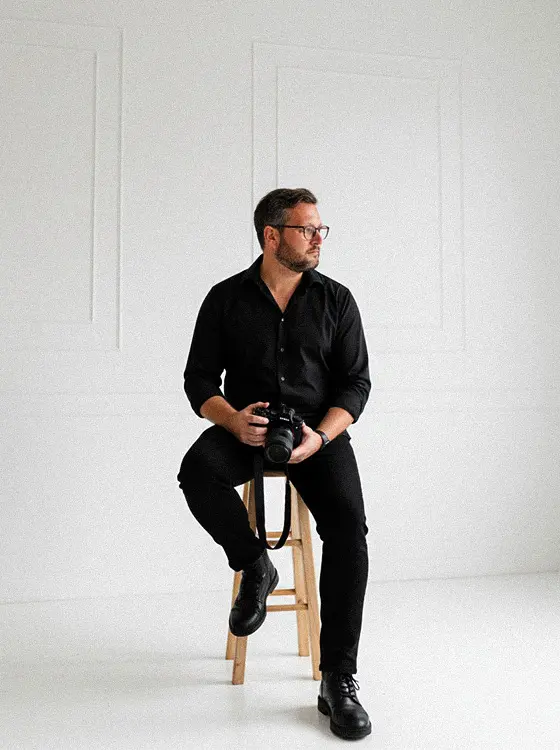
Mickaël Frigout
Wedding videographer based in Nantes. Over 70 weddings filmed in 5+ years. I tell love stories through images, with discretion and sensitivity.